The IT industry is booming, and many companies are hiring skilled professionals even for entry-level roles. If you’re looking to switch careers or start a job in IT quickly, Short-Term IT Courses can help you gain the necessary skills.
In today’s fast-moving digital world, the need for skilled IT professionals is higher than ever. Businesses in every sector whether it’s healthcare, finance, e-commerce, or cybersecurity are actively looking for people with strong technical skills in areas like web development, data science, and cloud computing. While a traditional four-year computer science degree was once the standard route into IT, it’s no longer the only option. Short-Term IT Courses have become a popular and practical alternative. These programs are faster, more affordable, and focused on real-world skills, helping you land a high-paying job in as little as 3 to 6 months.
Why Short-Term IT Courses Are the Future of Tech Careers
As technology evolves rapidly, faster learning has become essential
The IT industry is changing faster than ever. Programming languages, tools, and frameworks that were widely used just five years ago may already be outdated. Traditional degree programs often struggle to keep pace with these rapid changes. In contrast, short-term, industry-focused courses are designed to teach the latest technologies and practical skills. Learning platforms like Coursera, Udemy, and edX work with tech leaders such as Google, Microsoft, and IBM to create courses that match today’s job market needs.
Today, what you can do matters more than what degree you have.”
Employers Value Skills More Than Formal Degrees
Top tech companies like Google, Apple, and IBM have dropped degree requirements for many roles, choosing instead to focus on certifications and proven skills. Short-term IT courses often include practical projects, coding exercises, and real-world case studies that help learners build a strong portfolio. For many employers, this kind of hands-on experience is more valuable than a traditional diploma.
Affordable and Accessible Education
A traditional four-year computer science degree can cost between ₹1.5 lakh to ₹4.5 lakhs, making it unaffordable for many. In contrast, short-term IT courses are much more budget-friendly. while others charge only (around ₹4,000 to ₹17,000) for high-quality certifications. Many online platforms also offer financial aid, making tech education more accessible and inclusive for learners from all backgrounds.
Strong Demand Leads to High Salaries Even at Entry Level
There is a global shortage of skilled tech professionals, so companies are willing to offer attractive salaries—even to those just starting out. For example:
- Web developers can earn between ₹51 lakh and ₹93 lakh in their first year.
- Cybersecurity analysts start with salaries around ₹60 lakh to ₹77 lakh.
- Cloud engineers holding AWS or Azure certifications often earn ₹69 lakh or more.
Short-term IT courses offer the quickest path to these high-paying jobs without needing to spend years in formal education.
Flexible Learning for Career Changers and Busy Professionals
Whether you’re a recent graduate, planning to switch careers, or returning to the workforce, short-term IT courses offer flexible learning options. Many programs are self-paced, so you can study while working full-time. Additionally, bootcamps and online certification courses often include career support like resume reviews, interview preparation, and job placement assistance.
Who Should Consider Short-Term IT Courses?
- Career Switchers – Transition from non-tech fields (e.g., marketing, finance) into IT.
- Recent Graduates – Boost employability with specialized tech skills.
- Freelancers & Entrepreneurs – Learn in-demand skills to offer services or build tech startups.
- Professionals Seeking Promotions – Upskill to move into higher-paying IT roles.
Why Choose a Short-Term IT Course?
Before diving into the best courses, let’s understand why short-term IT training is a smart choice:
- Faster Entry into the Job Market – Unlike traditional degrees (3-4 years), short courses take 3-6 months to complete.
- High Demand for Skilled Professionals – Companies hire certified candidates for roles like web development, cybersecurity, and cloud computing.
- Affordable Learning – Many courses are free or low-cost compared to university degrees.
- Flexibility – Online learning allows you to study while working.
- Hands-on Experience – Bootcamps and project-based courses prepare you for real-world jobs.
The Best Part? You Can Start Today
Unlike traditional education, which involves long application processes and waiting times, most short-term IT courses let you enroll right away. All you need is a laptop and an internet connection to start learning immediately and be ready for a job within a few months.
Top 10 Short-Term IT Courses to Land Your Dream Job in 2025
The key is choosing a course aligned with market demand and personal interest. This guide explores the top 8 short-term IT courses from web development and cybersecurity to digital marketing and cloud computing detailing skills, salaries, certifications, and job strategies for each.
By the end of this article, you’ll have a clear roadmap to launching your IT career in record time. Let’s dive in!
1. Full Stack Web Development
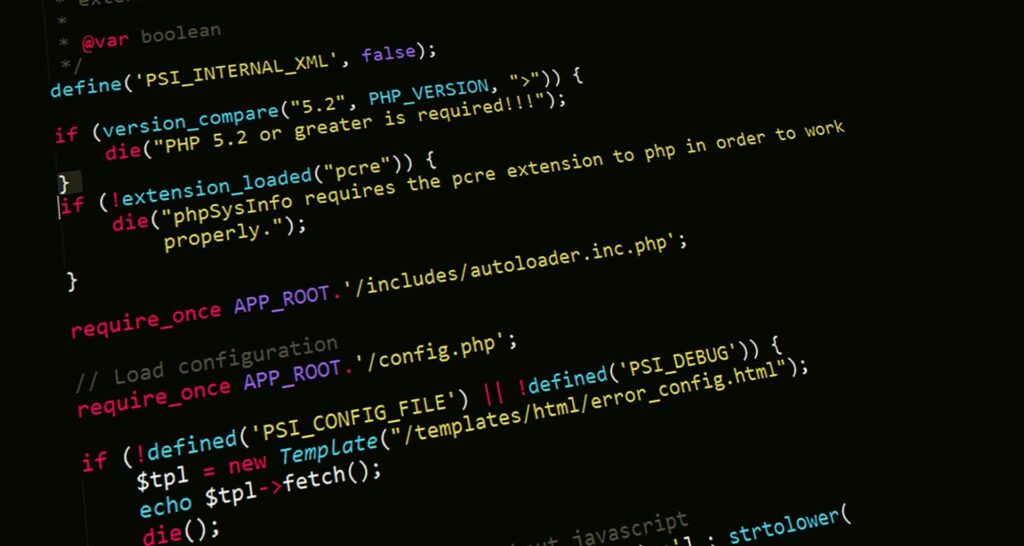
Full Stack Web Development is one of the most in-demand career paths in today’s digital world. A Full Stack Developer is skilled in both front-end (client-side) and back-end (server-side) development, making them incredibly versatile and valuable to companies building modern web applications.
This short-term course is designed to take you from beginner to job-ready by teaching you how to build fully functional websites and web apps. Whether you want to work for a tech company, freelance, or even build your own product, this course provides the core skills you need.
What You’ll Learn:
Front-End Development :
You’ll start with the basics of how websites look and feel. This includes:
- HTML & CSS – The foundation of every website, used to structure and style content.
- JavaScript – Adds interactivity to web pages.
- React.js or Angular – Popular front-end frameworks for building dynamic user interfaces.
Back-End Development :
After learning the front-end, you’ll move on to how the website works behind the scenes:
- Node.js – A JavaScript runtime that lets you build scalable server-side applications.
- Express.js – A web application framework for Node.js, used to handle routes and APIs.
- MongoDB or SQL – Databases that store your application data. MongoDB is a NoSQL database, while SQL includes databases like MySQL or PostgreSQL.
Duration: 3 to 6 months
Average Salary: ₹3–8 LPA
Job Roles: Full Stack Developer, Web Developer, Front-End Developer, Back-End Developer
2. Data Analytics Course

This Data Analytics course equips you with the tools, techniques, and thinking needed to extract meaningful insights from raw data and help organizations make smart, data-driven decisions.
Whether you’re a fresh graduate, a working professional looking to switch careers, or an entrepreneur, this course is your gateway to one of the fastest-growing fields in tech and business.
What You’ll Learn
1. Excel & SQL for Data Handling
- Master Microsoft Excel functions and pivot tables for efficient data manipulation.
- Write SQL queries to extract, filter, join, and aggregate data from relational databases.
- Understand database schema, normalization, and query optimization.
2. Python or R for Data Analysis
- Learn programming basics in Python or R (your choice based on preference).
- Perform data wrangling, cleaning, and transformation using libraries like Pandas (Python) or dplyr (R).
- Work with real-world datasets to generate actionable insights.
3. Power BI or Tableau for Data Visualization
- Build interactive dashboards and reports using Power BI or Tableau.
- Learn how to represent data visually to communicate findings effectively.
- Understand chart types, filters, calculated fields, and storytelling with data.
4. Basic Statistics & Exploratory Data Analysis (EDA)
- Grasp key statistical concepts: mean, median, standard deviation, correlation, and hypothesis testing.
- Perform EDA to discover patterns, detect outliers, and summarize main characteristics of data.
- Learn how statistics underpin all data analytics processes.
Duration: 3 to 6 Months
Average Salary: ₹3–8 LPA
Job Roles: Data Analyst, Business Analyst, Reporting Analyst, Junior Data Scientist
3. Digital Marketing Course

As more businesses move online, digital marketing has become one of the most in-demand skills across industries. Whether you’re looking to boost your own business, manage a brand’s digital presence, or launch a career in marketing, this course will teach you the skills you need to thrive in the digital space.
This hands-on, practical course is designed for students, professionals, entrepreneurs, and freelancers who want to master the art and science of online marketing.
What You’ll Learn
1. Search Engine Optimization (SEO)
- Learn how search engines work and how to optimize websites for visibility.
- Explore keyword research, on-page and off-page SEO, backlinks, and SEO tools like Ahrefs and SEMrush.
- Improve site performance through technical SEO practices.
2. Search Engine Marketing (SEM)
- Understand how paid ads work on platforms like Google Search.
- Learn to create effective ad campaigns using Google Ads.
- Set budgets, target the right audience, and track performance using real data.
3. Social Media Marketing (SMM)
- Leverage platforms like Facebook, Instagram, LinkedIn, Twitter, and YouTube to build and engage an audience.
- Learn content strategy, branding, paid social campaigns, and analytics.
- Understand the role of influencers, hashtags, and community building.
4. Email Marketing
- Design effective email campaigns that convert.
- Use tools like Mailchimp or Sendinblue to manage subscribers, create email templates, and track open and click-through rates.
- Learn about email funnels, list segmentation, and automation.
5. Google Ads & Google Analytics
- Master Google Ads to run targeted campaigns and maximize ROI.
- Use Google Analytics to track website performance, user behavior, conversion rates, and more.
- Learn to generate data-driven reports for actionable marketing decisions.
Duration: 2 to 4 Months
Average Salary: ₹3–7 LPA
Job Roles: Digital Marketing Executive ,SEO Specialist,Social Media Manager ,Content Marketing Associate,Google Ads Manager
4. UI/UX Design Course

In a digital-first world, user experience and design define the success of every product—from websites to mobile apps and enterprise tools. This UI/UX Design course will teach you how to create beautiful, functional, and user-centered digital experiences.
You’ll learn to combine creativity with research and technical tools to design interfaces that are not only aesthetically pleasing but also easy to use and solve real problems. Ideal for aspiring designers, developers, and anyone interested in the intersection of technology and design.
What You’ll Learn
1. UI/UX Fundamentals
- Understand the difference between UI (User Interface) and UX (User Experience).
- Learn about human-centered design, design thinking, and the importance of usability.
- Explore the end-to-end design process from research to testing.
2. Wireframing & Prototyping (Figma / Adobe XD)
- Sketch wireframes to map out app/website structure and user flow.
- Create low-fidelity and high-fidelity prototypes using tools like Figma and Adobe XD.
- Learn how to build interactive mockups for testing and feedback.
3. Design Principles & Tools
- Master layout, typography, color theory, spacing, alignment, and hierarchy.
- Learn responsive design techniques and accessibility best practices.
- Work with design systems and reusable UI components.
4. User Research & Testing
- Conduct user interviews, surveys, and usability tests to gather insights.
- Build user personas and journey maps. Iterate on designs based on real user feedback.
5. Cloud Computing Course (AWS/GCP/Azure)

Cloud computing has become the backbone of modern IT infrastructure. From startups to global enterprises, organizations are migrating to the cloud to improve scalability, performance, and cost-efficiency. This Cloud Computing courseprovides a hands-on introduction to the world’s leading platforms—AWS (Amazon Web Services), GCP (Google Cloud Platform), and Microsoft Azure.
Designed for tech enthusiasts, developers, and IT professionals, this course gives you practical experience in deploying, managing, and securing cloud-based applications and infrastructure.
What You’ll Learn
1. Introduction to Cloud Computing
- Understand the fundamentals: IaaS, PaaS, SaaS
- Benefits of cloud over traditional infrastructure
- Cloud deployment models: Public, Private, and Hybrid
2. Platform Deep Dive: AWS / GCP / Azure
Choose your specialization or explore all three platforms
Get familiar with the core services:
- Compute: EC2, GCE, Azure VM
- Storage: S3, Cloud Storage, Azure Blob
- Databases: RDS, Cloud SQL, Cosmos DB
- IAM & Security: Roles, Policies, and Access Management
3. Cloud Storage & Networking
- Learn about data storage tiers and lifecycle policies
- Set up virtual private clouds (VPC), subnets, and firewalls
- Understand DNS, load balancing, and routing
4. Virtual Machines & Deployment
- Launch, configure, and manage virtual machines (VMs)
- Use auto-scaling, containers, and serverless functions (Lambda, Cloud Functions)
- Automate deployment using Infrastructure as Code (IaC) tools like Terraform / CloudFormation
5. Monitoring & Cost Optimization
- Monitor performance with CloudWatch, Stackdriver, Azure Monitor
- Set up alerts, logs, and dashboards
- Apply best practices for cloud cost management
Duration: 3 to 5 Months
Average Salary: ₹4–9LPA
Job Roles: UI/UX Designer,Product Designer,Interaction Designer,User Researcher (Entry-Level)
6. Cybersecurity Course

With cyber threats on the rise, every organization from startups to governments needs trained professionals to protect their digital assets. This Cybersecurity course is designed to equip you with the skills to detect vulnerabilities, prevent cyberattacks, and build secure IT infrastructures.
Whether you want to become an ethical hacker, a security analyst, or simply understand how to secure systems and networks, this course gives you real-world, hands-on cybersecurity training using industry-standard tools and practices.
What You’ll Learn
1. Fundamentals of Cybersecurity
- Understand key security concepts: CIA triad (Confidentiality, Integrity, Availability)
- Learn about cyber threats, malware, ransomware, phishing, and social engineering
- Overview of security compliance and standards (ISO 27001, GDPR)
2. Network Security
- Learn how networks function and how to protect them
- Understand firewalls, intrusion detection/prevention systems (IDS/IPS), and VPNs
- Analyze network traffic and identify anomalies using tools like Wireshark
3. Ethical Hacking & Penetration Testing
- Understand the hacking lifecycle: reconnaissance, scanning, gaining access, maintaining access, covering tracks
- Practice legal and responsible penetration testing
- Use Metasploit for exploiting vulnerabilities in controlled environments
4. Security Tools & Techniques
Hands-on with essential tools:
- Wireshark for packet analysis
- Metasploit for exploit testing
- Nmap for network scanning
- Burp Suite for web vulnerability testing
- Introduction to SIEM tools (Security Information and Event Management)
5. System & Application Security
- Secure operating systems (Windows/Linux hardening)
- Patch management and endpoint protection
- Basics of web application security (OWASP Top 10)
Duration: 3 to 6 Months
Average Salary: ₹4–10LPA
Job Roles: Security Analyst ,Ethical Hacker ,Penetration Tester (Entry-Level) ,Information Security Associate ,Network Security Specialist
7. Mobile App Development Course

With smartphones powering our everyday lives, mobile apps are at the heart of modern digital experiences. This Mobile App Development course teaches you how to build high-performance apps for Android, iOS, and cross-platform environments using the most in-demand technologies.
Whether you’re an aspiring developer or a tech enthusiast, this course gives you real-world experience in building functional, user-friendly, and scalable mobile applications—from scratch.
What You’ll Learn
1. Android App Development (Java/Kotlin)
- Learn the fundamentals of Java and Kotlin (official Android languages)
- Set up Android Studio and build interactive UIs using XML and Jetpack Compose
- Implement activities, fragments, intents, and services
- Integrate APIs, databases (Room/SQLite), and Firebase
- Learn how to publish your app on the Google Play Store
2. iOS App Development (Swift)
- Introduction to Apple’s Swift programming language
- Use Xcode and SwiftUI for building iOS interfaces
- Handle navigation, gestures, data storage, and animations
- Access device features (camera, location, sensors)
- Learn app publishing through the Apple App Store
3. Cross-Platform Development (Flutter/React Native)
- Understand how cross-platform frameworks save time and resources
- Learn Flutter (Dart) or React Native (JavaScript/TypeScript)
- Build mobile UIs that run on both Android and iOS
- Manage state, use packages, and deploy responsive layouts
- Integrate backend services, REST APIs, and Firebase
4. App Design & User Experience
- Follow best practices for designing user-friendly mobile apps
- Understand UI/UX patterns, material design, and accessibility
- Use tools like Figma for prototyping and wireframing
Duration: 3 to 6 Months
Average Salary: ₹4–10LPA
Job Roles: Android Developer ,iOS Developer ,Mobile App Developer (Cross-Platform) ,Flutter/React Native Developer
8. Artificial Intelligence & Machine Learning Course

Artificial Intelligence (AI) and Machine Learning (ML) are transforming industries—from healthcare and finance to transportation and retail. This course is designed to prepare you for a successful career in one of the fastest-growing and highest-paying tech domains.
Whether you’re aiming to become a Machine Learning Engineer, AI Specialist, or Data Scientist, this course provides hands-on training in data analysis, model building, and deployment using real-world tools and frameworks like TensorFlow and PyTorch.
What You’ll Learn
1. Python for AI/ML
- Refresher on Python programming: syntax, data types, functions, OOP
- Work with libraries like NumPy, Pandas, Matplotlib, Seaborn
- Perform data cleaning, transformation, and exploratory data analysis
2. Machine Learning Fundamentals
- Supervised learning: Linear Regression, Logistic Regression, Decision Trees, SVM
- Unsupervised learning: K-Means Clustering, PCA, Anomaly Detection
- Model evaluation: Accuracy, Precision, Recall, F1-score, ROC-AUC
Use Scikit-learn for building and validating ML models
3. Deep Learning with TensorFlow & PyTorch
- Neural Networks (ANN, CNN, RNN): architecture and training
- Work with image, text, and sequential data
- Build models using TensorFlow (Keras) and PyTorch
- Train models on GPUs and optimize performance
4. Natural Language Processing (NLP)
- Text preprocessing and vectorization (TF-IDF, Word2Vec)
- Sentiment analysis, chatbots, and text classification
- Use of LSTM and Transformer-based models
5. AI Model Deployment
- Save and export trained models
- Deploy models using Flask / FastAPI and Streamlit
- Host applications on Heroku, Render, or AWS
Duration: 4 to 6 Months
Average Salary: ₹6–15LPA
Job Roles:
Here’s a list of common job roles in Artificial Intelligence & Machine Learning:
- Machine Learning Engineer: Designs, builds, and deploys machine learning models.
- Data Scientist: Analyzes complex data to extract insights and build predictive models, often using ML techniques.
- AI Engineer: Focuses on developing and implementing AI systems and applications.
- Deep Learning Engineer: Specializes in designing and implementing deep neural networks for tasks like image recognition and natural language processing.
- NLP Engineer (Natural Language Processing Engineer): Works on systems that enable computers to understand, interpret, and generate human language.
- Computer Vision Engineer: Develops algorithms and systems that allow computers to “see” and interpret images and videos.
- AI Researcher: Conducts research to advance the field of AI, developing new algorithms and theories.
- Robotics Engineer: Applies AI and ML to develop intelligent robotic systems.
- Business Intelligence Developer (with ML focus): Leverages ML to enhance data analysis and reporting for business insights.
- AI Ethicist/Governance Specialist: Focuses on the ethical implications and responsible development of AI systems.
- MLOps Engineer (Machine Learning Operations Engineer): Bridges the gap between data science and operations, focusing on deploying and managing ML models in production.
- Quantitative Analyst (Quant) with ML Skills: Applies ML techniques in finance for tasks like algorithmic trading and risk management.
- Research Scientist (AI/ML): Similar to an AI Researcher, often in academic or corporate R&D settings.
- Algorithm Engineer: Develops and optimizes algorithms across various domains, often with an ML focus.
The IT industry is booming, and many companies are hiring skilled professionals even for entry-level roles. If you’re looking to switch careers or start a job in IT quickly, short-term and High-Paying IT courses can help you gain the necessary skills.
You don’t need a 4-year degree to start a career in IT. By choosing the right Offline and Online Live Instructor-Led course and building a strong portfolio, you can land a job in 3-6 months. Focus on high-demand skills, get certified, and apply for internships or freelance gigs to gain experience.
Leave a Reply